Weight Loss After 30: What Really Works In 2026

Weight Loss After 30: What Really Works in 2026 explores science-backed, sustainable fat-loss strategies tailored for your 30s and beyond. Learn how to manage hormonal changes, boost metabolism, build lean muscle, improve sleep, reduce stress, and create realistic habits that support long-term health and lasting results.
Weight Loss After 30: What Really Works In 2026
Losing weight after 30 requires a smarter approach than it did in your 20s. Hormonal shifts, career responsibilities, family life, stress levels, and slower recovery all influence how your body responds to diet and exercise. The good news? Your metabolism is not “broken.” You simply need a strategy built for this stage of life.
In 2026, research continues to show that sustainable fat loss after 30 depends on muscle preservation, hormone balance, stress management, and consistency—not extreme dieting or endless cardio.
Let’s break down what truly works.
Why Weight Loss Feels Harder After 30
Many people notice gradual weight gain beginning in their early 30s. This happens for several reasons:
- Slight natural decline in metabolic rate
- Reduced daily movement compared to younger years
- Muscle mass loss (sarcopenia) beginning slowly
- Increased stress and cortisol levels
- Sleep quality decline
- Hormonal shifts (especially for women)
For women, hormonal changes related to estrogen and progesterone fluctuations can impact fat storage, especially around the abdomen. Conditions like Polycystic Ovary Syndrome can also influence insulin resistance and weight management.
For men, gradual testosterone decline may reduce muscle mass and increase fat accumulation.
But here’s the truth: the metabolic slowdown is modest. Most weight gain after 30 is lifestyle-driven, not purely biological.
Metabolism Changes: What’s Really Happening?
Your resting metabolic rate may decrease slightly after 30, largely due to reduced muscle mass. Muscle tissue burns more calories than fat tissue—even at rest. If you stop strength training, metabolism naturally declines.
However, you can counteract this with:
- Progressive resistance training
- Adequate protein intake
- Daily movement (NEAT: Non-Exercise Activity Thermogenesis)
- Sufficient sleep
The key is muscle preservation, not endless calorie restriction.
Strength Training Is Non-Negotiable
If there’s one strategy that consistently works after 30, it’s strength training.
Building lean muscle helps:
- Increase resting metabolism
- Improve insulin sensitivity
- Reduce abdominal fat
- Improve bone density
- Enhance hormonal health
Aim for 2–4 strength sessions per week focusing on full-body movements:
- Squats
- Deadlifts
- Push-ups
- Rows
- Lunges
- Shoulder presses
Compound exercises are more effective than isolation movements because they engage multiple muscle groups and burn more calories.
Don’t worry about getting “bulky.” After 30, building muscle requires effort and consistency—it won’t happen accidentally.
Protein Is Your Best Ally
Protein becomes even more important as you age.
Benefits include:
- Preserves lean muscle
- Reduces cravings
- Improves satiety
- Supports metabolic rate
- Enhances workout recovery
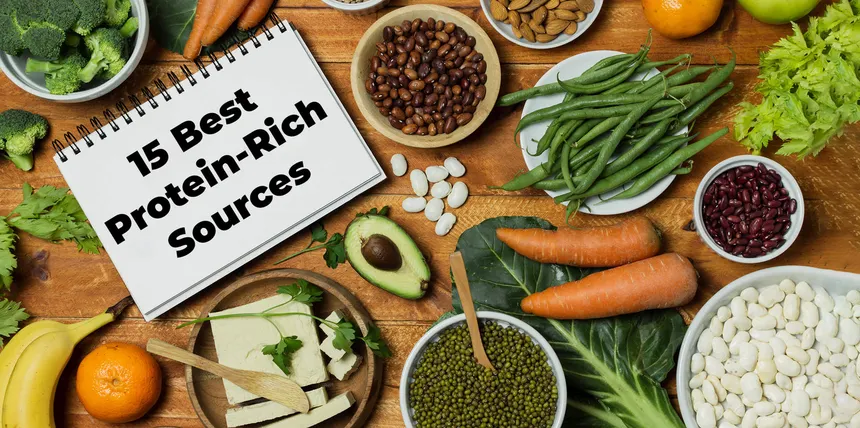
A practical target is 0.8–1 gram of protein per pound of body weight, divided across 3–4 meals daily.
High-quality sources include:
- Eggs
- Greek yogurt
- Lentils
- Lean meats
- Tofu
- Paneer
- Protein supplements (if needed)
Distribute protein evenly throughout the day for optimal muscle protein synthesis.
Hormones Matter More Than Calories Alone
In your 30s, hormones play a bigger role in body composition.
Insulin Sensitivity
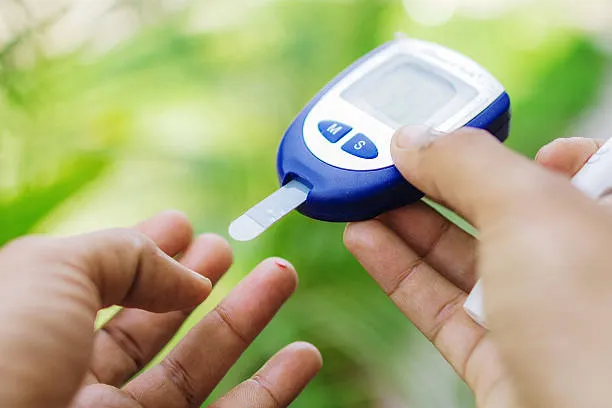
Poor blood sugar regulation can increase fat storage. Strength training and walking after meals significantly improve insulin response.
Cortisol (Stress Hormone)
Chronic stress increases abdominal fat. High-intensity workouts combined with poor sleep can elevate cortisol further.
Thyroid Function
Undiagnosed thyroid issues can impact weight regulation. If weight gain is unexplained, consult a healthcare professional.
The solution isn’t extreme dieting—it’s hormone-supportive habits.
Sleep: The Most Underrated Fat-Loss Tool
Sleep deprivation increases hunger hormones (ghrelin) and decreases satiety hormones (leptin). It also reduces insulin sensitivity.
Prioritize 7–9 hours of quality sleep.
To improve sleep:
- Maintain a consistent sleep schedule
- Avoid screens 60 minutes before bed
- Reduce caffeine after 2 PM
- Keep your bedroom cool and dark
Better sleep improves fat loss, mood, and energy levels.
Cardio: Smart, Not Excessive
Cardio is helpful—but it’s not the main driver of fat loss after 30.
Best options:
- Brisk walking (30–45 minutes daily)
- Cycling
- Swimming
- Low-impact cardio
High-Intensity Interval Training (HIIT) can be effective but limit it to 1–2 times per week to avoid excessive stress.
Walking remains one of the most sustainable and underrated fat-loss tools.
Nutrition Strategy That Actually Works
Forget crash diets. Focus on:
1. Moderate Calorie Deficit
A 300–500 calorie deficit is sustainable.
2. Balanced Meals
Each meal should include:
- Protein
- Fiber
- Healthy fats
- Complex carbohydrates
3. Fiber Intake
Aim for 25–35 grams daily to improve digestion and fullness.
4. Reduce Ultra-Processed Foods
Highly processed foods increase cravings and reduce satiety.
Intermittent Fasting: Helpful or Hype?
Intermittent fasting works for some people because it reduces overall calorie intake. However, it’s not magic.
If it fits your lifestyle and doesn’t increase stress or binge eating, it can be effective. If it disrupts hormones or sleep, it may backfire.
After 30, sustainability always wins.
Alcohol and Hidden Calories
Alcohol slows fat oxidation and disrupts sleep quality.
Reducing alcohol intake:
- Improves fat loss
- Enhances recovery
- Reduces inflammation
Even cutting alcohol to weekends only can create noticeable results.
Gut Health and Inflammation
Emerging research in 2026 highlights the importance of gut health in weight regulation.
Support gut health by:
- Eating fermented foods (curd, kefir, kimchi)
- Increasing fiber
- Staying hydrated
- Reducing chronic stress
A healthy gut improves digestion, hormone signaling, and metabolism.
Recovery Is More Important Than Ever
In your 30s, recovery takes longer. Overtraining can stall progress.
Signs you need more recovery:
- Persistent fatigue
- Poor sleep
- Irritability
- Plateau despite strict dieting
Include:
- Rest days
- Stretching
- Yoga
- Mobility work
Recovery enhances fat loss long term.
Sample Weekly Plan
Monday: Full-body strength training
Tuesday: 30-minute brisk walk
Wednesday: Upper-body strength + mobility
Thursday: Rest or light yoga
Friday: Lower-body strength
Saturday: Outdoor walk or cycling
Sunday: Active recovery + stretching
Mindset Shift: Consistency Over Perfection
Extreme diets lead to rebound weight gain.
Instead:
- Focus on 80/20 nutrition
- Train regularly, not obsessively
- Improve habits gradually
- Track progress beyond the scale
Measurements, strength gains, energy levels, and sleep quality are better indicators of progress than weight alone.
Supplements: Do You Need Them?
Supplements are optional, not mandatory.
Evidence-supported options include:
- Whey or plant protein
- Creatine (for strength and muscle retention)
- Omega-3 fatty acids
- Vitamin D (if deficient)
Always consult a healthcare professional before starting supplementation.
Common Mistakes After 30
- Eating too little
- Overdoing cardio
- Ignoring strength training
- Sleeping less than 6 hours
- Skipping protein
- Constantly changing plans
Consistency builds results.
Long-Term Fat Loss Is About Lifestyle
After 30, your goal shouldn’t just be weight loss—it should be metabolic health, muscle preservation, and sustainable habits.
Focus on:
- Building strength
- Improving sleep
- Managing stress
- Eating adequate protein
- Staying active daily
When you work with your body instead of against it, fat loss becomes sustainable.
Final Thoughts
Weight loss after 30 is absolutely achievable—when you apply the right strategy. It’s not about punishment workouts or starvation diets. It’s about intelligent training, proper nutrition, recovery, and hormone balance.
In 2026, the science is clear: muscle, sleep, stress control, and sustainable habits are the real game changers.
Start small. Stay consistent. Build strength. Protect your sleep. Fuel your body.
Results will follow.