Power Rack Attachments Guide
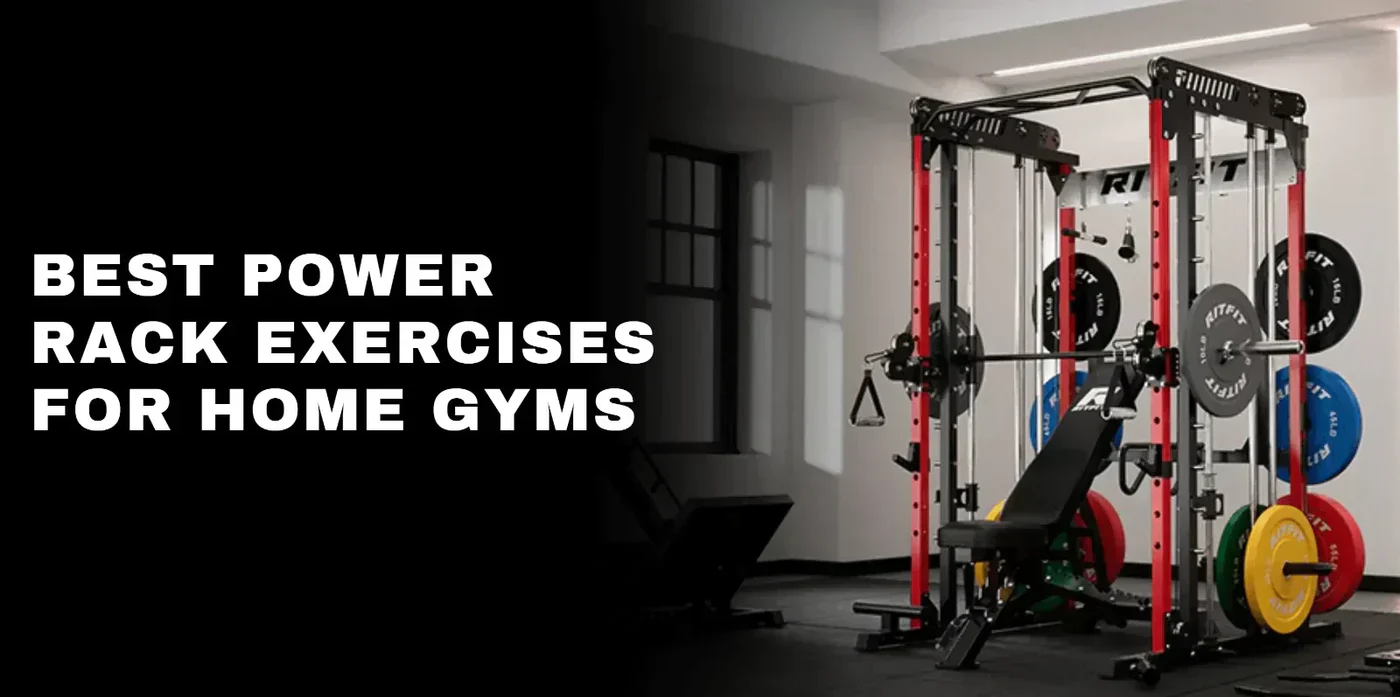
Power rack attachments can transform a basic rack into a far more versatile training station. From safety tools to press variations and pull-up upgrades, the right add-ons help you train smarter, save space, and get more from your home gym. This guide explains the most useful attachment types, what each one does, and how to choose the right options for your goals. You’ll also learn how attachments improve workout variety, support progressive overload, and make a rack setup safer and more efficient. Whether you train for strength, muscle, or general fitness, rack accessories can help you build a better all-in-one setup without needing multiple machines.
A power rack is already one of the most useful pieces of strength equipment, but attachments can take it to a much higher level. Instead of buying several separate machines, you can upgrade one rack with accessories that improve safety, expand exercise options, and make training more comfortable.
In this guide, we’ll break down the most practical attachment types and explain how each one helps in real training. The goal is to help readers understand not just what attachments exist, but why they matter and which ones are worth considering first.
What rack attachments can do
- Improve safety during heavy lifts.
- Add more exercise variety to the same rack.
- Save floor space in a home gym.
- Make workouts faster and more efficient.
- Help train different muscle groups with one setup.
- Support progression as strength levels improve.
Common attachment types
- J-hooks and safety arms.
- Dip handles.
- Landmine attachments.
- Monolifts.
- Pulley and cable systems.
- Pull-up bars and grip accessories.
- Spotter arms and pins.
- Plate storage and utility add-ons.
Why attachments are useful
- They reduce the need for extra machines.
- They help you train more movements with one rack.
- They can improve form, control, and confidence.
- They make home training feel closer to a full gym.
- They can be chosen based on your specific goals.
Who should use them
- Beginners who want a safer setup.
- Intermediate lifters who need more variety.
- Home gym owners with limited space.
- Strength athletes focused on heavy lifting.
- Anyone building an all-in-one training station.
This article helps readers understand how to build a smarter rack setup, choose the right accessories, and get more value from the equipment they already own.